Automation
Automation is the use of technology to perform tasks with minimal human intervention. It uses machines, software, and processes to automate repetitive tasks, making it valuable across many industries like manufacturing, IT, Marketing and finance. Benefits include increased efficiency, reduced costs, improved accuracy, and enhanced decision-making
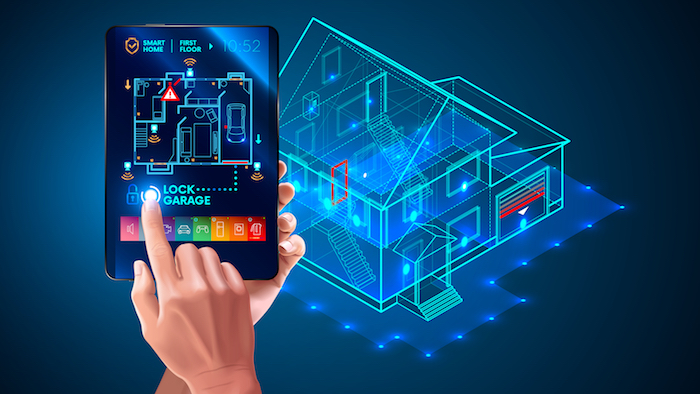
Smart Home Automation
Smart home automation represents a transformative shift in domestic living, integrating internet-connected devices into a cohesive, responsive ecosystem that enhances convenience, security, and energy efficiency. Through a central hub or voice commands, homeowners can seamlessly control lighting, climate, entertainment systems, and security cameras, often creating pre-set "scenes" for different activities like movie nights or morning routines. Beyond mere convenience, these systems learn from user habits to automate tasks proactively, such as adjusting the thermostat for optimal savings or alerting you to unexpected activity, thereby creating a personalized environment that is not only more comfortable but also safer and more sustainable
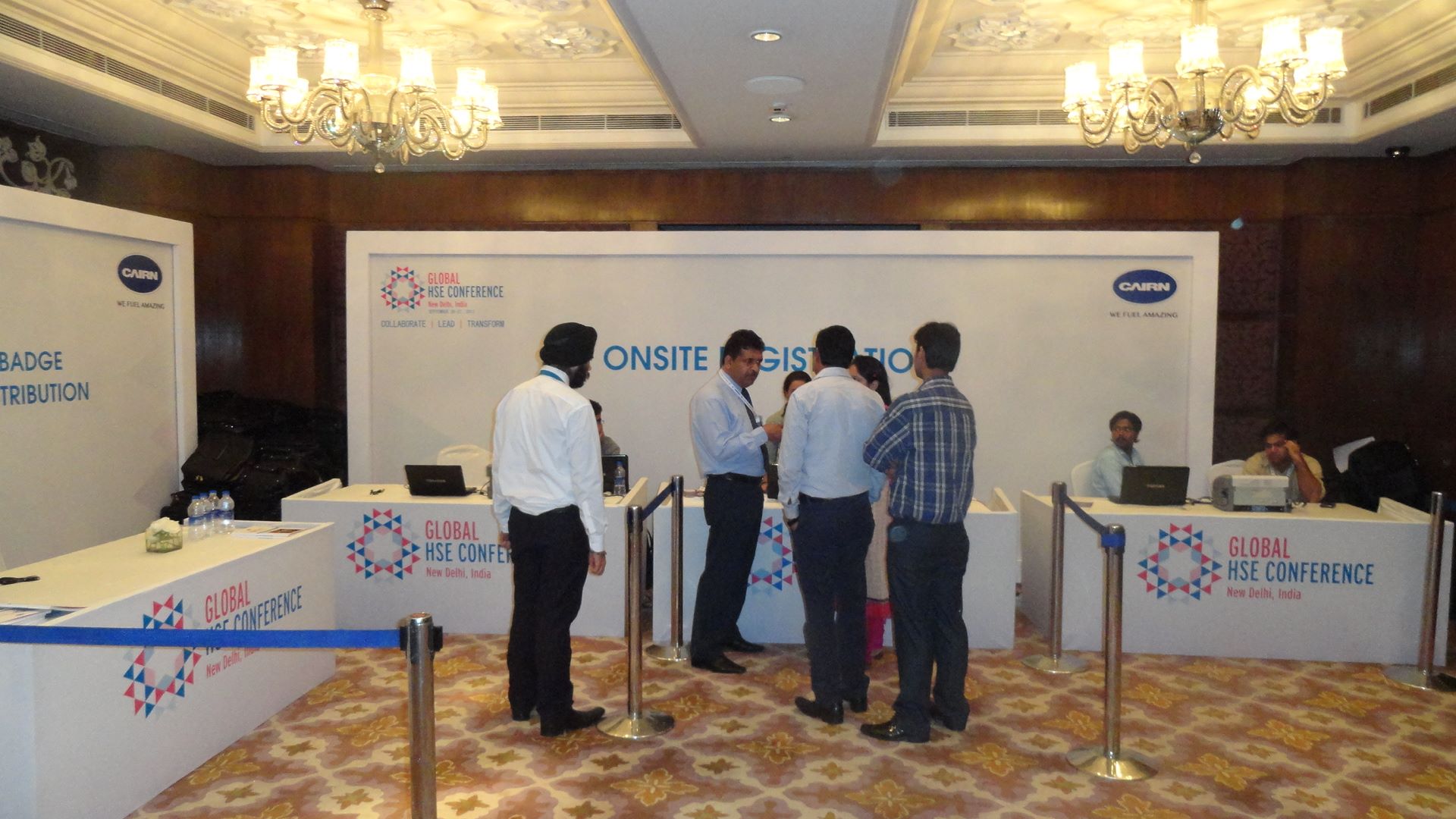
Event Visitor Automation
Event visitor automation streamlines the entire guest journey, from the initial invitation to post-event engagement, by leveraging digital tools to create a seamless and efficient experience. Upon registration, attendees receive automated confirmations and personalized digital passes, while event organizers gain real-time insights into attendance metrics. During the event itself, automation facilitates swift check-ins via QR code scanning, guides visitors with digital maps and agendas, and can even personalize their experience through beacon technology that triggers relevant notifications. This end-to-end digital management not only reduces administrative burdens and long queues but also enhances data collection for follow-up communication,
Engagement Automation
Leveraging automation tools and technologies fundamentally revolutionizes customer engagement at events by creating dynamic, personalized, and interactive experiences that begin long before the doors open and continue well after they close. Prior to the event, automated, behavior-triggered email and social media campaigns can build anticipation by providing personalized agendas, speaker highlights, and networking opportunities tailored to each attendee's profile. On-site, technologies like QR codes, NFC badges, and mobile event apps automate and enrich interactions, enabling seamless check-ins, facilitating contactless information exchange, and guiding guests through personalized journeys with push notifications for sessions or exhibitors matching their interests. This automated engagement ecosystem not only captivates attendees in the moment by reducing friction and adding value but also critically captures a detailed trail of engagement data, which fuels immediate lead scoring for sales teams and automates post-event follow-up.
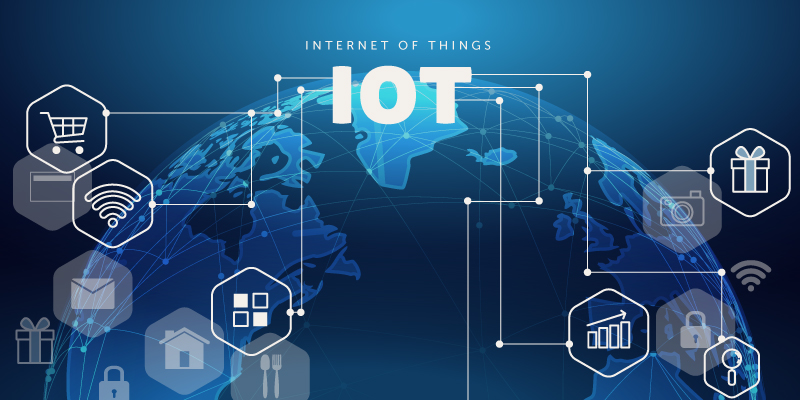
IOT Automation
IoT-based automation forms the backbone of an intelligently interconnected world, where everyday objects embedded with sensors, software, and network connectivity collect and exchange data to operate autonomously and efficiently. This vast network of "things"—from industrial machinery and smart thermostats to entire city-wide grids of streetlights—communicates seamlessly over the internet, enabling remote monitoring, precise control, and data-driven decision-making without human intervention. By analyzing real-time data on usage patterns, environmental conditions, and operational status, IoT systems can automatically trigger actions, such as optimizing a factory's energy consumption, preemptively scheduling maintenance for equipment before it fails, or managing traffic flow in a smart city to reduce congestion. This creates smarter, more responsive environments that enhance productivity, conserve resources, improve safety, and fundamentally transform how we interact with the physical world.